

PBSI FKIP UMS Holds the 4th International Conference on Language, Literature, and Teaching
Surakarta, June 12, 2025
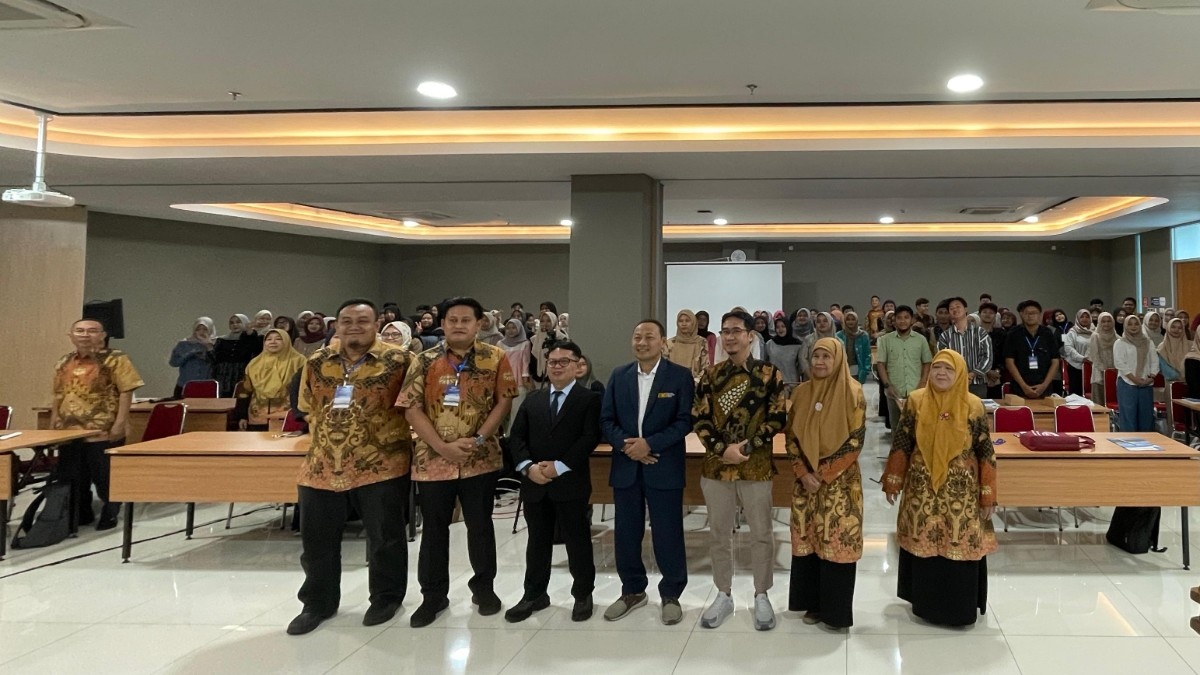
The Indonesian Language and Literature Education Department (PBSI) of FKIP Universitas Muhammadiyah Surakarta (UMS) successfully held the 4th International Conference on Language, Literature, and Teaching (ICOLLT) at the Edutorium Building, UMS. This international seminar was a collaborative effort among three study programs within FKIP UMS: the Undergraduate Program in Indonesian Language and Literature Education (S1), the Master’s Program in Indonesian Language Education (S2), and the Doctoral Program in Indonesian Language Education (S3).
Revitalizing Literacy Culture as the Central Theme
This year’s conference carried the theme “Revitalizing Literacy Culture,” which, according to the organizing committee chair Yunus Sulistyono, Ph.D., reflects a shared concern over the decline of literacy culture in today’s digital society. The theme aimed to inspire cross-disciplinary innovation and collaboration to rekindle interest in reading, writing, and critical thinking across various sectors of society.
Keynote Speakers and Parallel Sessions
The seminar featured prominent keynote speakers:
-
Dr. Ganjar Hermansyah, S.S., M.Hum. (Secretary of the Language Development and Fostering Agency, Indonesian Ministry of Education)
-
Dr. Misita Anwar (Monash University, Australia)
-
Prof. Dr. Marian Klamer (Leiden University, The Netherlands)
In addition to the keynote sessions, the conference welcomed 141 presenters and 76 papers, which were organized into seven parallel sessions, conducted both online and offline.
Highlights from the Keynote Presentations
Dr. Ganjar Hermansyah delivered a keynote titled “Literacy as a Space for Transformation.” He emphasized that we are living in a VUCA (Volatility, Uncertainty, Complexity, Ambiguity) era, where rapid change and unpredictability demand a new kind of literacy—one that goes beyond basic skills to include critical social engagement. He noted that digital and multimodal literacy are now essential, not optional.
Ganjar also highlighted a concerning paradox in Indonesia: while digital literacy is relatively high, foundational literacy remains low. This imbalance, he warned, leaves many vulnerable to online loan scams, gambling, and misinformation.
Dr. Misita Anwar presented on “Digital Literacy for Vulnerable Communities.” She defined digital literacy as critical, cultural, and strategic engagement with digital tools. Key challenges include low general literacy, shared device use, unequal access to connectivity, cultural and language gaps, and low trust in information sources.
The final plenary session featured Prof. Dr. Marian Klamer from Leiden University, who discussed “The Study of Regional Languages in Indonesia.” She noted that Indonesia is home to around 770 languages, yet only about 10% have been described with formal grammar and orthography. Most of these languages remain oral and undocumented.
Prof. Klamer raised concerns about language endangerment, citing that increasing numbers of local speakers are shifting to Indonesian, threatening the survival of many regional languages.
Contributor: Main Sufanti